Fifty-six hours out
On the night of 13 April 1970, Apollo 13 was almost 56 hours into its flight to the Moon when Houston asked the crew for one more job: stir up the oxygen and hydrogen tanks in the service module. Jack Swigert flipped the switch. About 90 seconds later the crew heard a loud bang. The spacecraft shuddered, a master alarm went off, and 26 seconds later Swigert called the ground: "Okay, Houston, we've had a problem here." Houston asked him to say again, and Jim Lovell answered: "Ah, Houston, we've had a problem. We've had a Main B Bus Undervolt." They said "we've had", not "we have", and they were right: by the time they spoke, the tank had already burst.
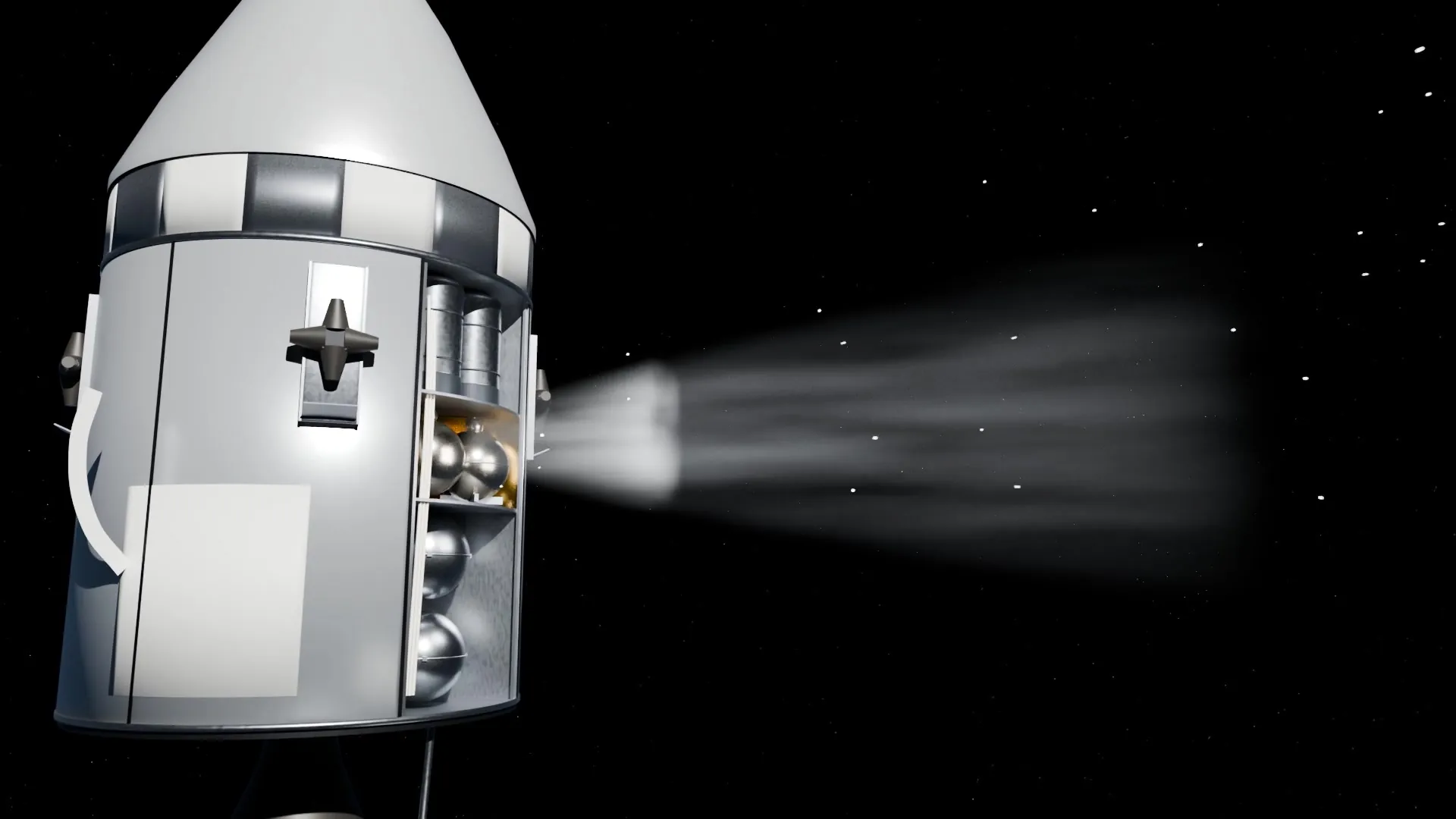
One of the spacecraft's two main power circuits had lost voltage. Within minutes, two of the three fuel cells, the crew's main source of electricity, had failed, and mission rules forbade a landing on the Moon with only one. An oxygen tank read empty. Thirteen minutes after the bang, Lovell, the commander, looked out of a window and saw gas streaming away into space. It was oxygen, escaping from their second and last tank, and with it went their normal supply of electricity, light and water.
They were about 330,000 kilometres from Earth, more than 200,000 miles. Getting home would take about four days, in a lunar module built to keep two people alive for two days.
A routine flight
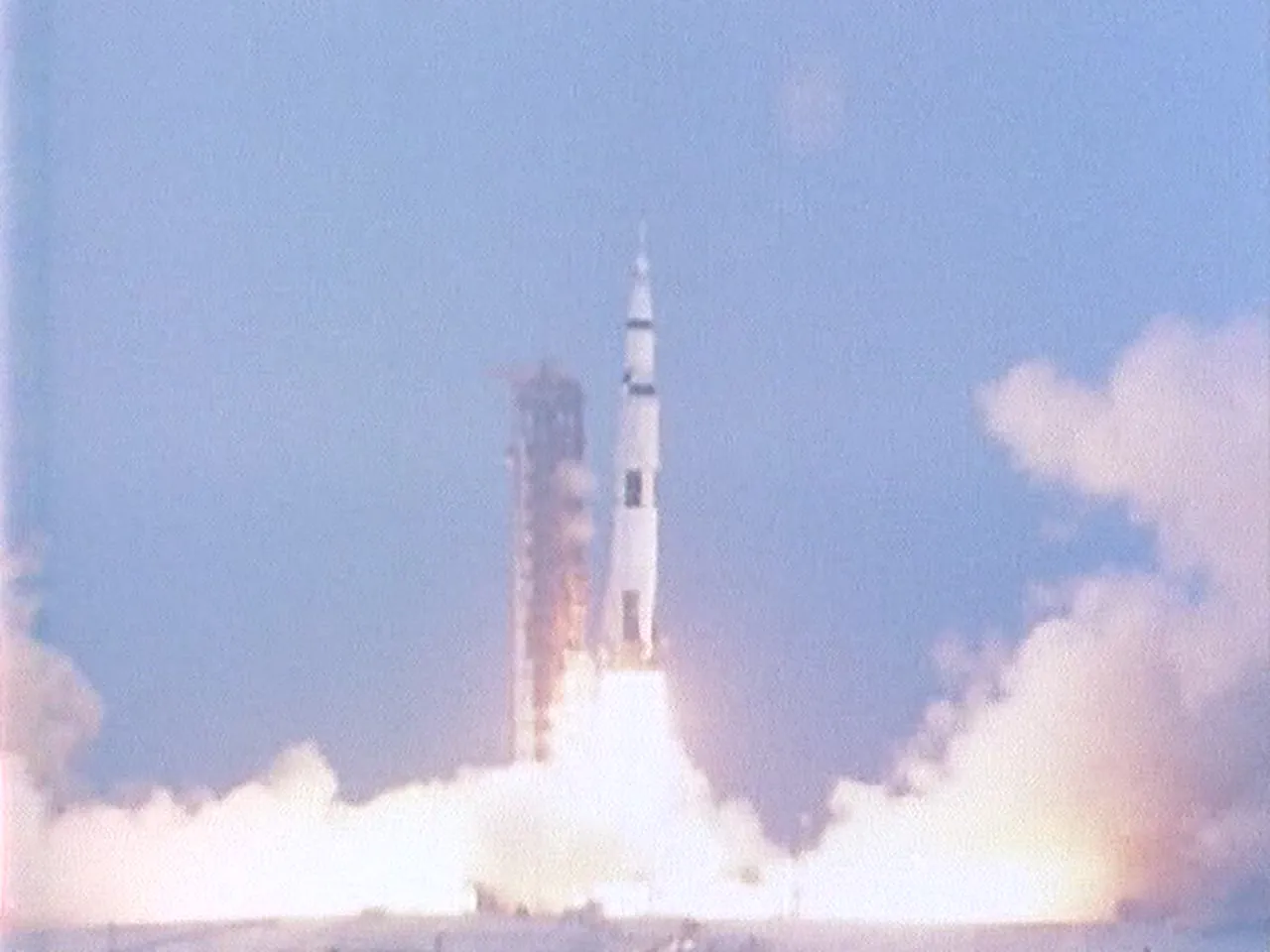
Two days earlier, on 11 April, their Saturn V had lifted off from Kennedy Space Center in Florida at 2:13 in the afternoon, on time. Five and a half minutes up, the second stage's centre engine cut out more than two minutes early, shaken by a vibration later identified as pogo. The four other engines burned about 34 seconds longer to make up for the lost thrust.
The crew had changed, too. Days before launch, the command module pilot, Ken Mattingly, was grounded: he had been exposed to German measles and had no immunity. His backup, Jack Swigert, took his place. For Swigert and the lunar module pilot, Fred Haise, it was a first spaceflight. Jim Lovell was on his fourth. They were bound for Fra Mauro, on what was meant to be the third landing on the Moon, about nine months after the first.
On the third evening, Lovell and Haise gave a television tour of their lunar module, Aquarius. None of America's three big networks showed it live. Earlier that day, the astronaut on the radio in Houston, Joe Kerwin, had told the crew: "We're bored to tears down here." As Lovell wrote later, it was the last time anyone would mention boredom for a long time. He signed off by wishing everybody a nice evening. Nine minutes later, oxygen tank 2 blew up.
Lifeboat
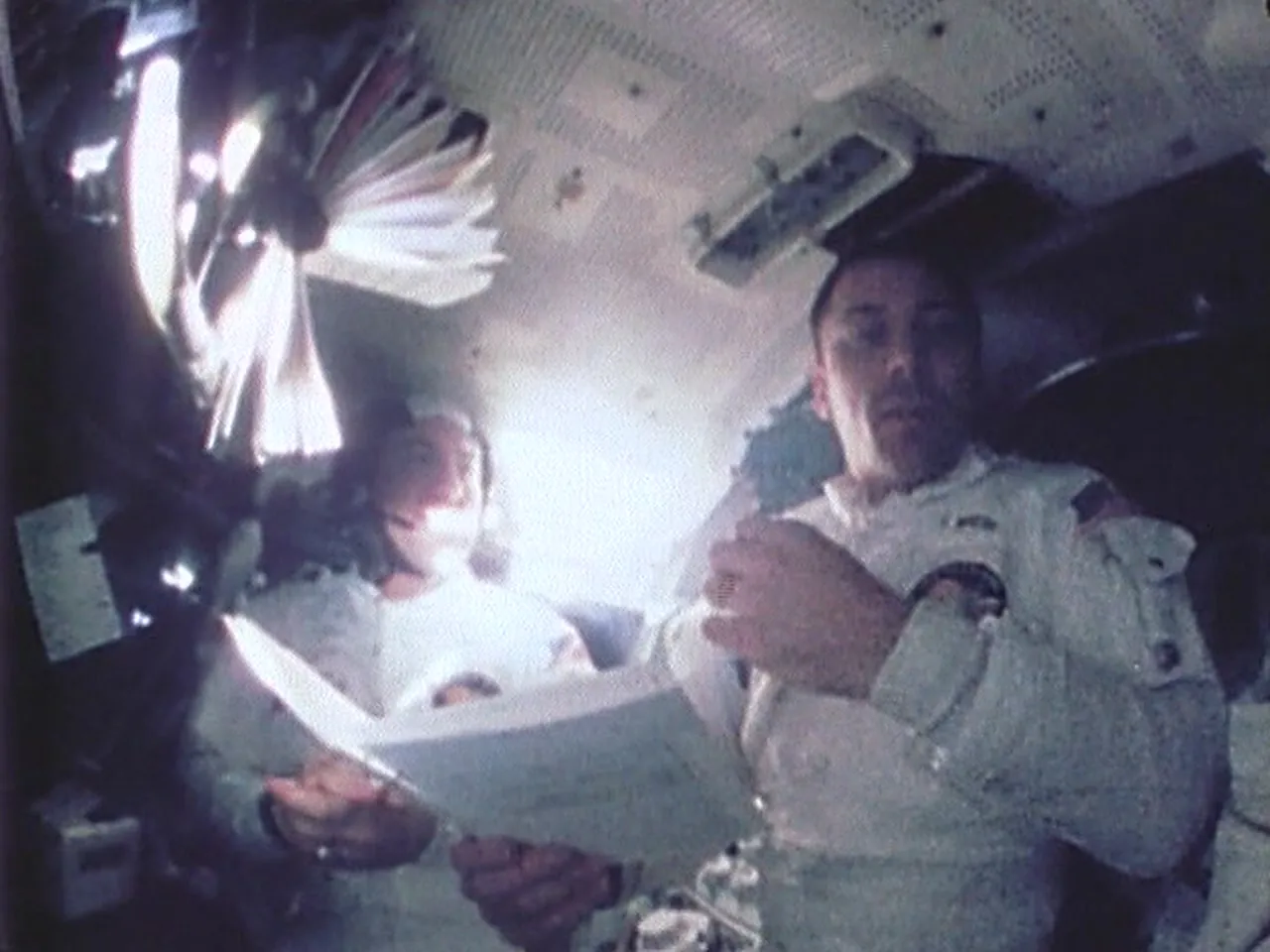
In Mission Control, flight director Gene Kranz told his team to keep cool: "Let's solve the problem but let's not make it any worse by guessing." The command module, Odyssey, was running out of power. Less than two hours after the bang, with about 15 minutes of power left in it, Houston told the crew to move into Aquarius. Haise switched the lunar module on, and Swigert shut Odyssey down, to save its batteries for re-entry.
The landing was off; the goal now was to get the crew home. Aquarius, designed to keep two men alive for two days, had to keep three alive for about four. Their big engine, on the service module, might have been damaged in the blast, so the big burns home would use Aquarius's landing engine, and the crippled service module stayed attached, to protect the command module's heat shield.
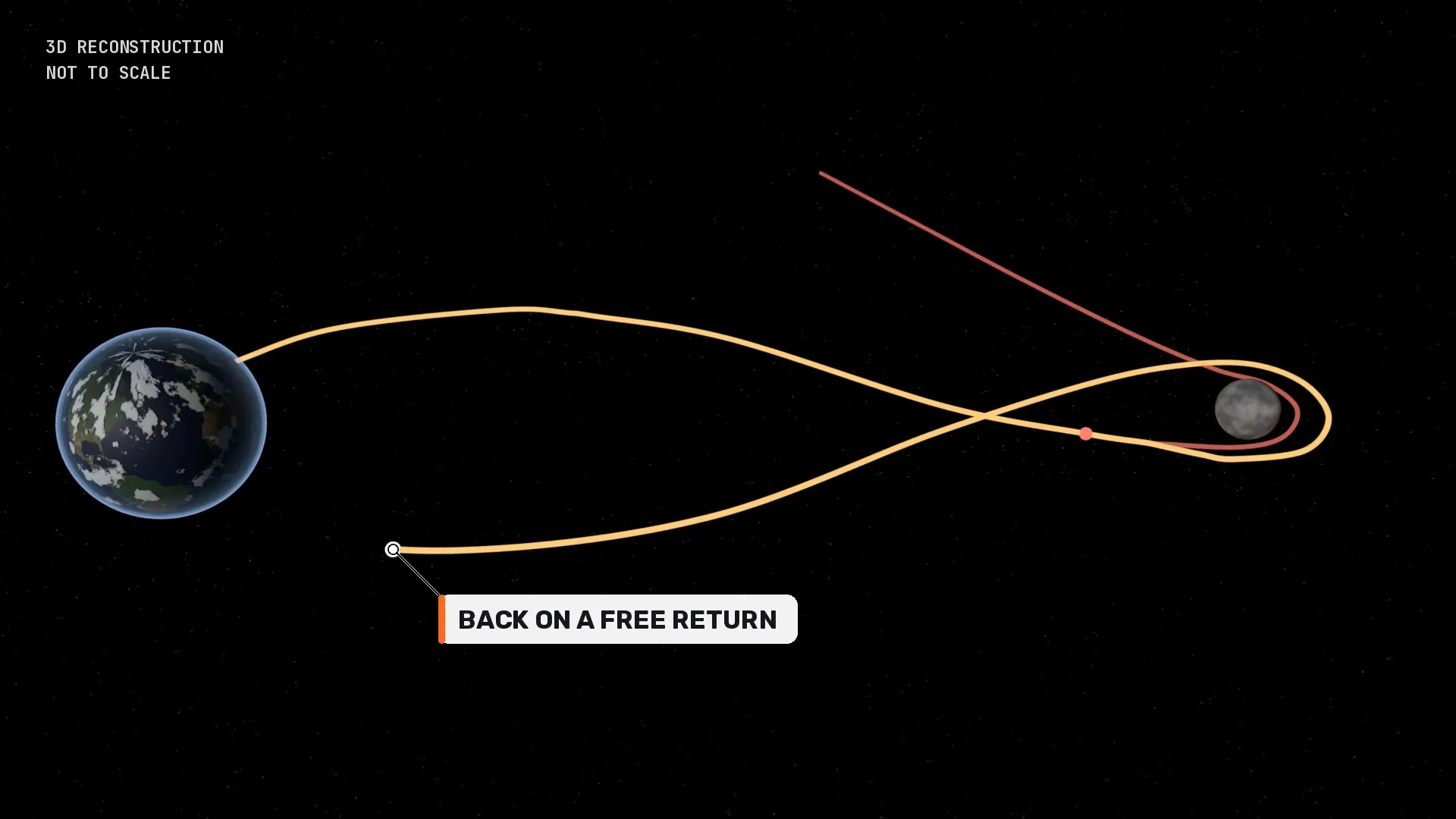
There was another problem. On the second day, a planned burn had taken them off their free return: a path that loops around the Moon and falls back to Earth on its own. The new course would not necessarily bring them back to the vicinity of Earth. Five and a half hours after the bang, Aquarius fired its engine for about half a minute, and they were back on a path for home, by way of the Moon.
Around the Moon
The next evening, 14 April, they swung around the far side of the Moon, about 250 kilometres above the surface, out of contact with Earth for about 25 minutes. That loop took them farther from Earth than anyone had ever been: 248,655 miles, about 400,000 kilometres. It was the second time Lovell had set that record. The first was on Apollo 8, in 1968.
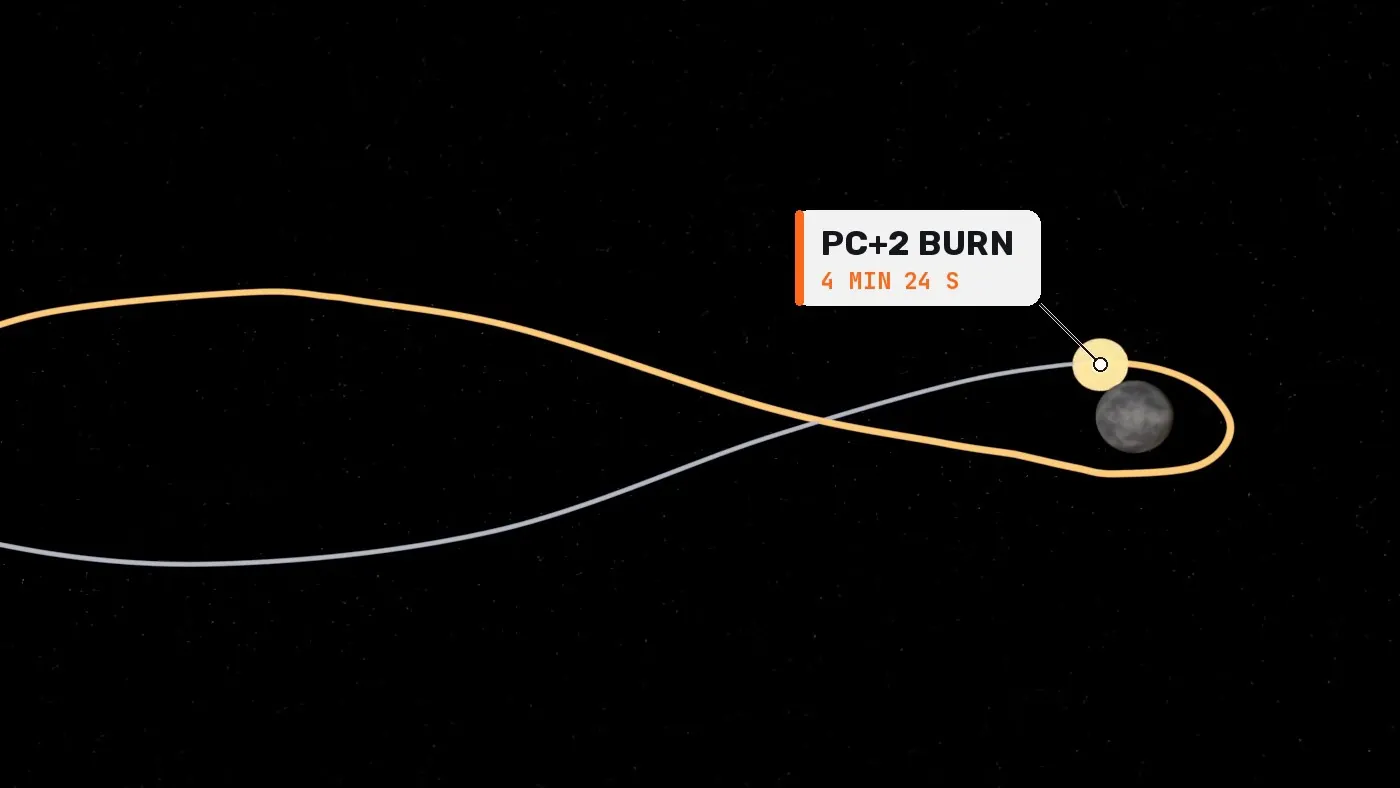
As they came out from behind the Moon, Lovell said: "Let's get the cameras squared away; let's get all set to burn. We got one chance now." Two hours after their closest approach to the Moon, Aquarius fired again, for 4 minutes and 24 seconds. Watching in Mission Control was Ken Mattingly, the man Swigert had replaced.
The burn was meant to bring them home about nine hours sooner, and it moved their splashdown from the Indian Ocean to the Pacific. Now they had to survive the next two and a half days.
Cold and carbon dioxide
To make Aquarius last, the crew switched off everything they could spare, and power use fell to a fifth of normal. Water was cut to about 180 millilitres, six ounces, each a day, also a fifth of normal. With the electrical systems off, the spacecraft lost an important source of heat. Aquarius sank to about 10 degrees Celsius, and Odyssey was colder still. Sleep was almost impossible, and water beaded on the walls.
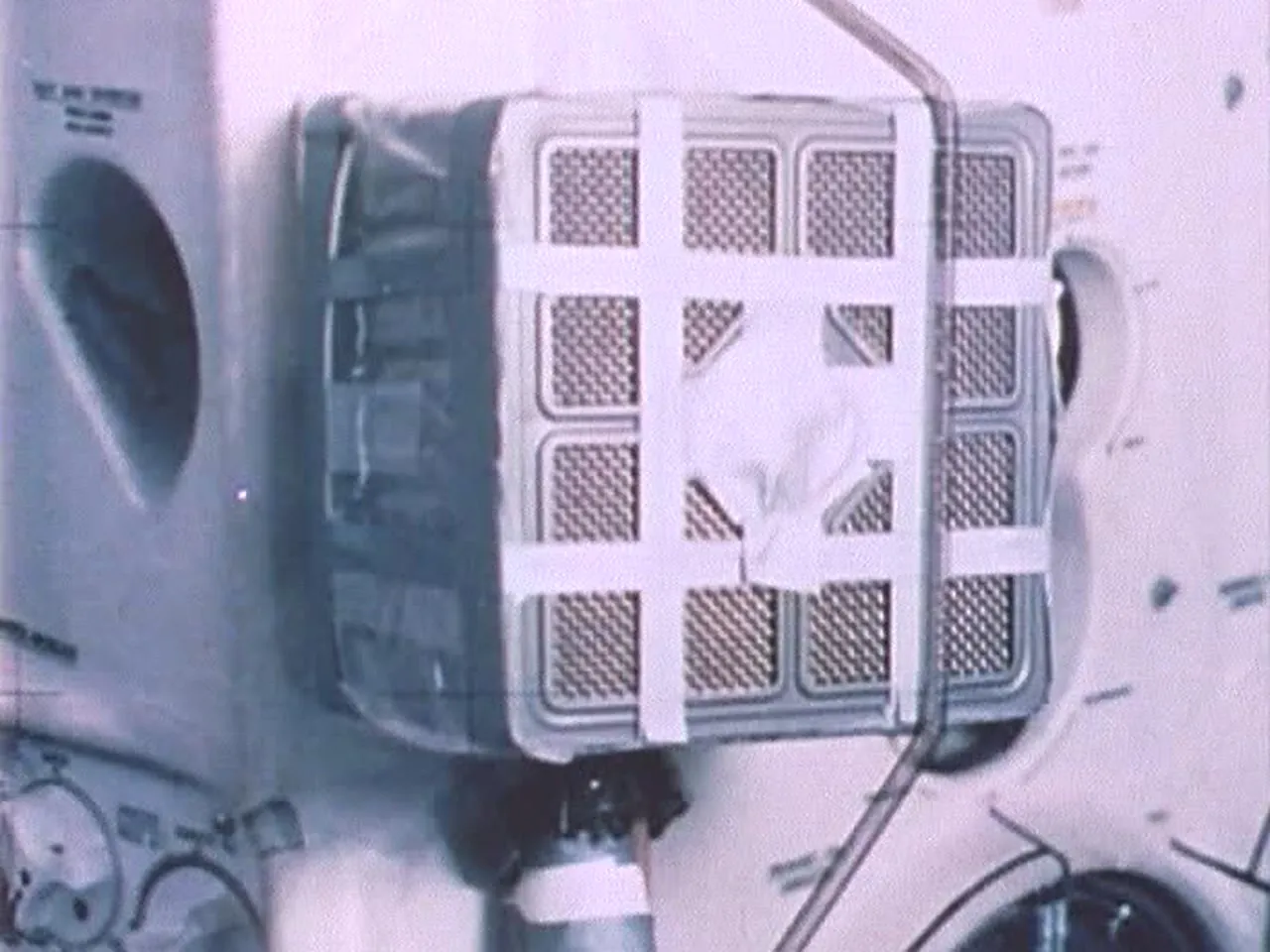
Then came a new danger: carbon dioxide. Aquarius cleaned it from the air with lithium hydroxide, and its supply was meant for two men. With three aboard, the gas was building up. Odyssey had spare canisters of its own, but they were square, and Aquarius took round ones.
In Houston, a team led by Ed Smylie, chief of the Crew Systems Division, designed an adapter using only things the crew had on board. Joe Kerwin read the instructions up, step by step: plastic bags, cardboard cue cards, grey tape, a spacesuit hose, and a wet wipe or a piece of sock to plug a hole. Building it took less than an hour. A day and a half after the crew moved into Aquarius, a warning light came on; they hooked the adapter up, and the carbon dioxide began to fall.
Later, with the lunar module's computer switched off to save power, they steered a 14-second course correction by hand, lining up on the edge of daylight on Earth, the line between day and night.
One side missing
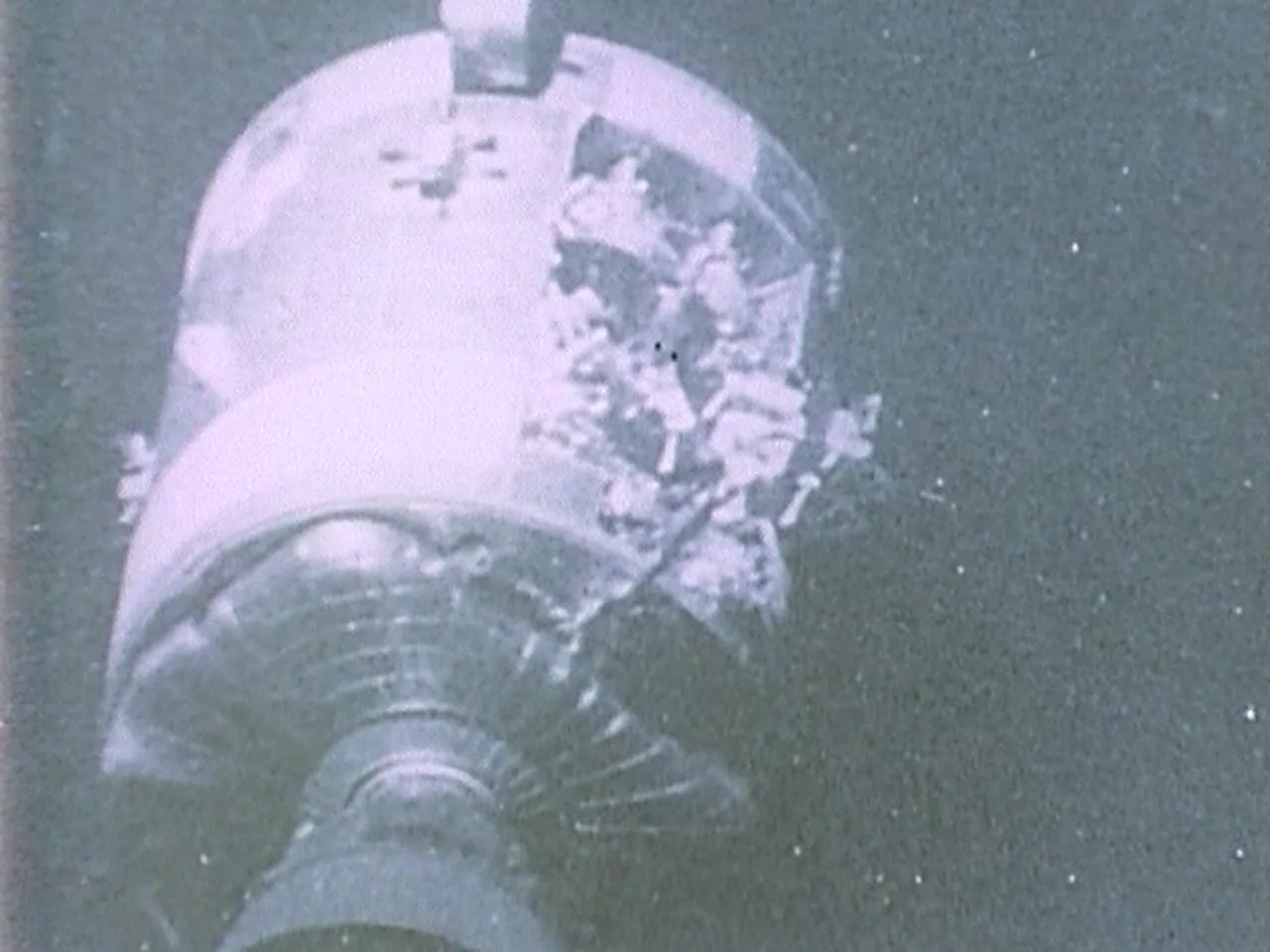
Early on the last morning, 17 April, almost five hours before splashdown, the crew cast off the service module. As it drifted away, they saw the damage for the first time. "And there's one whole side of that spacecraft missing," Lovell told Houston. "Right by the high gain antenna, the whole panel is blown out, almost from the base to the engine." Haise added: "It's really a mess." The blast had blown off a whole outer panel and damaged the big radio antenna.
They powered Odyssey back up. Its cabin read 3 degrees Celsius, 38 Fahrenheit. About an hour before re-entry, they let Aquarius go too. "Farewell, Aquarius," said Joe Kerwin, "and we thank you."
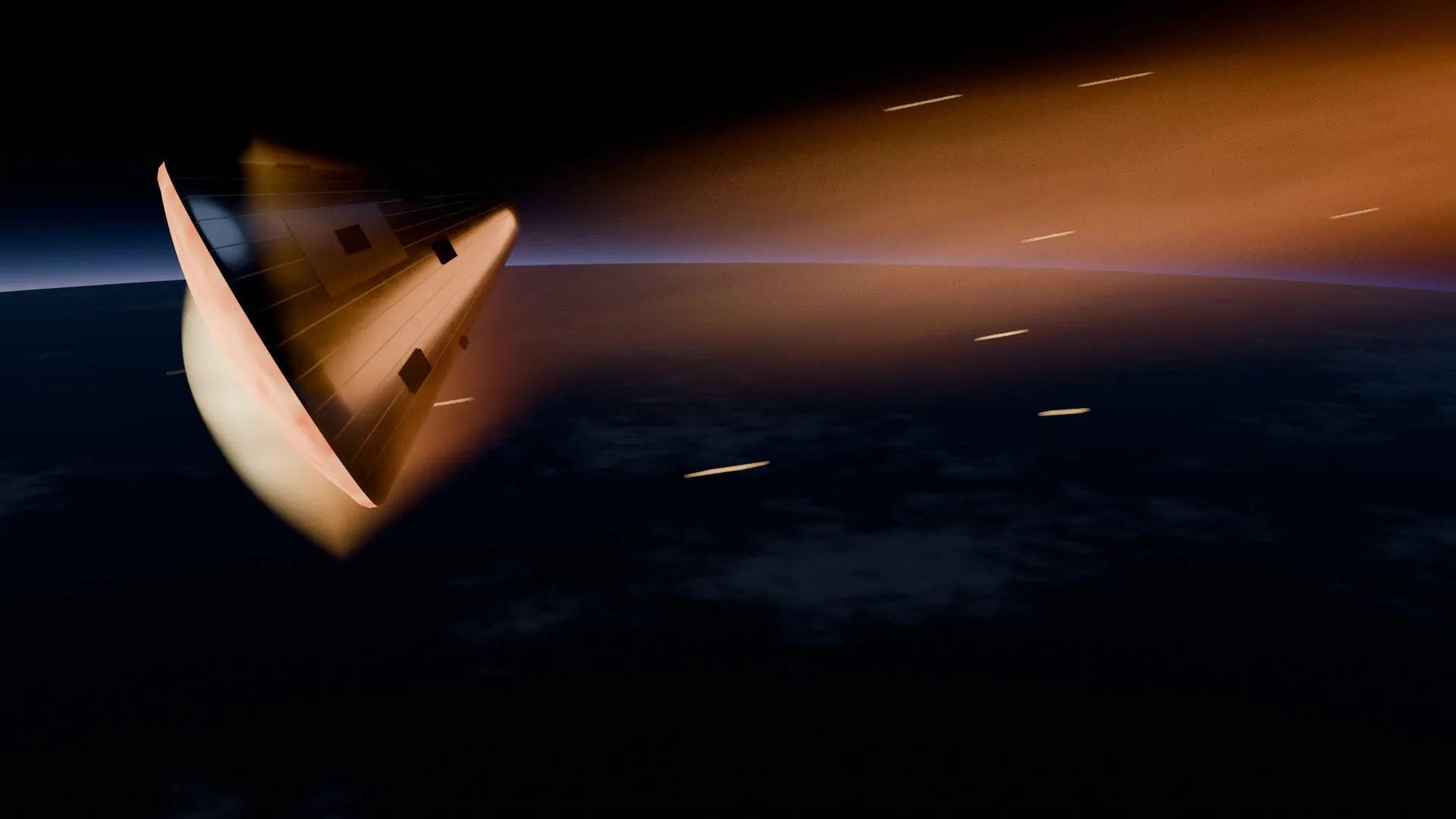
Odyssey hit the atmosphere at almost 40,000 kilometres an hour, and the radio went silent, as expected. The blackout should have lasted a little over three minutes. It ran about a minute and a half longer, until Houston called and Swigert answered. As they slowed, Lovell recalled, the water that had condensed in the cold came down as droplets: it rained inside the command module. Three main parachutes opened at about 3,000 metres, 10,000 feet, and Mission Control watched them on television.
On 17 April, Odyssey splashed down in the South Pacific, about four miles from the recovery ship, USS Iwo Jima. The flight had lasted 5 days, 22 hours and 54 minutes. Within an hour, a helicopter had lifted the crew to the ship's deck. Around the world, millions had followed their return on television.
What went wrong
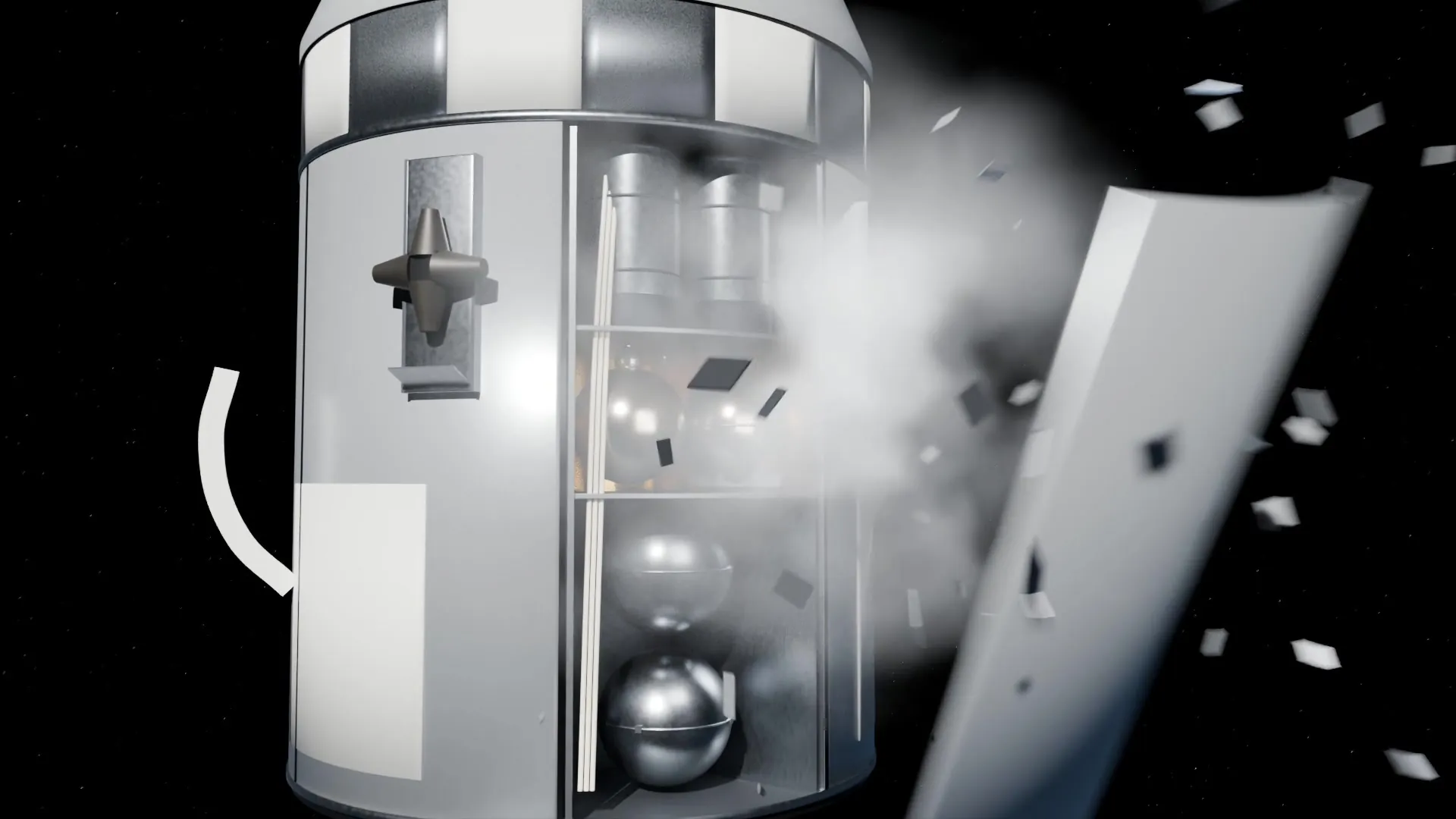
On 15 June 1970, two months after the flight, the Apollo 13 Review Board, chaired by Edgar Cortright, released its report on what had gone wrong. The service module carried two oxygen tanks on a shelf in bay 4, between the fuel cells and the hydrogen tanks. Each held 145 kilograms, 320 pounds, of oxygen for the fuel cells and the crew. Inside each was a heater tube with two heater coils protected by thermostatic switches, and two small fans to stir the oxygen. The wiring was insulated with Teflon.
The trouble may have begun in October 1968, when oxygen tank 2 was dropped about 5 centimetres, two inches, during its removal from a service module. In a ground test before launch, in March 1970, it would not empty normally, so engineers boiled the oxygen off with its heaters. It took eight hours. The heaters' safety switches were made for the spacecraft's 28 volts, but the ground supply ran at 65. They failed, and the heater tube probably passed 500 degrees Celsius. The gauge could not show temperatures that high, so nobody knew. But the heat had very likely damaged the insulation on wires inside the tank.
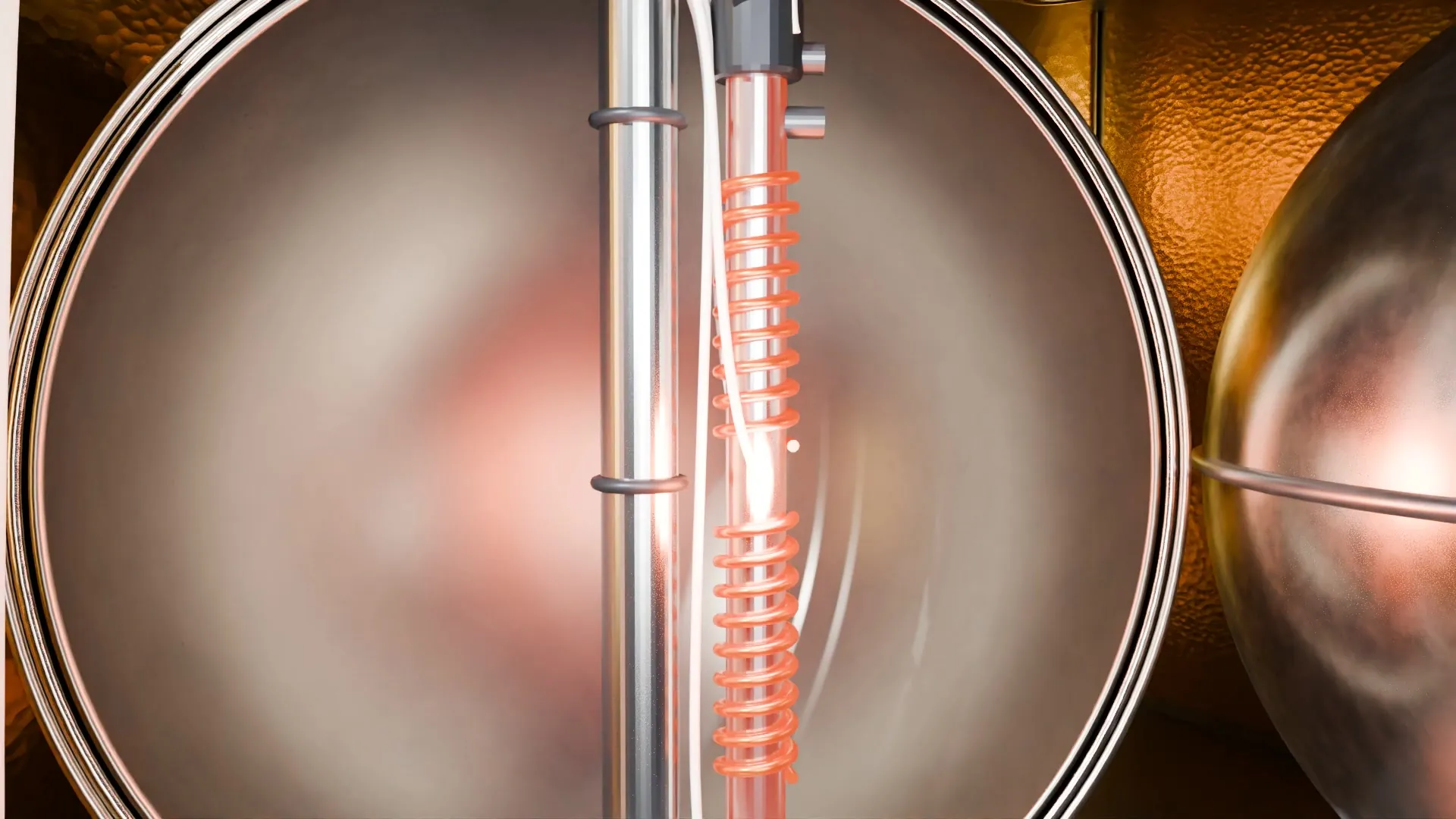
Almost 56 hours into the flight, Swigert switched on the tank's fans. Damaged wires short-circuited, the insulation caught fire in the pure oxygen, and the tank burst. The board called it "an unusual combination of mistakes, coupled with a somewhat deficient and unforgiving design."
Later Apollos flew with a third oxygen tank in a separate bay, and with redesigned tanks that had no heater switches and no stirring fans. Apollo 13 never reached the surface of the Moon. But for almost 56 years, nobody travelled farther from Earth than Lovell, Swigert and Haise. Their record fell on 6 April 2026, to the four astronauts of Artemis II, on a free-return loop around the Moon: the same kind of path that brought Apollo 13 home.